
How Construction Machinery Export from Japan Works
Used construction machinery is exported from Japan by Japanese dealers, rental fleets and contractors who sell equipment directly to buyers abroad. On Japan Convoy you deal with those sellers yourself: find a verified seller or post a buyer request describing the machine you need, agree the machine, price and terms with the seller in in-platform messaging, and settle with them directly. Japan Convoy is a sourcing marketplace, not a checkout. Once a deal is agreed you can optionally ask Japan Convoy to broker inspection, packaging, customs paperwork and shipping coordination for that order.
Why Buyers Source Heavy Equipment from Japan
Japan is home to several of the world's best-known construction equipment manufacturers, and its domestic market renews fleets regularly, so used machines come up for export while they still have working life left. Buyers abroad look to Japan for:
- Established brands: machines from Japanese manufacturers such as Komatsu, Hitachi, Kobelco, Kubota, Yanmar, Takeuchi, Tadano, Kato and Sakai, with dealer and parts networks in many countries.
- Compact equipment: Japan's dense cities and narrow sites mean a large supply of mini excavators, compact track loaders and small rollers.
- Documented use: many machines come from rental fleets and contractors that keep service records, though this varies by seller and should always be confirmed for the specific unit.
Types of Construction Machinery Exported from Japan
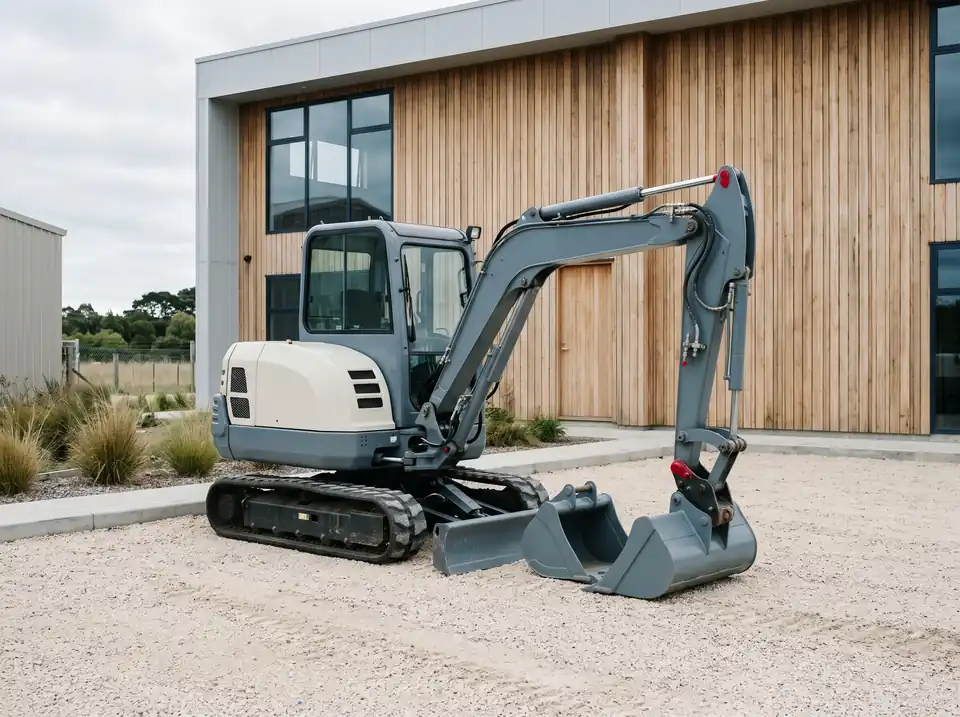
- Excavators: mini, midi and standard crawler excavators, plus wheeled excavators.
- Loaders and dozers: wheel loaders, skid steer and compact track loaders, bulldozers.
- Cranes: rough-terrain, crawler and truck-mounted cranes.
- Road and compaction equipment: vibratory and tandem rollers, asphalt finishers.
- Attachments and parts: buckets, breakers, grapples, tracks and engines, sold separately or with a machine.
Browse what verified sellers currently list in Japanese machinery or across all marketplace products.
How Buying Works on Japan Convoy
1. Discover a verified seller
Search the marketplace for the machine type, brand or model you need, then open the seller's profile to see their location, the categories they trade in and their other listings. Sellers are reviewed by Japan Convoy before their shop goes live.
2. Message the seller, or post a buyer request
If a listing matches, message the seller directly from the product page and ask for the details in the checklist below. If the shop hasn't joined Japan Convoy yet, our team contacts them for you and replies in your messages. Most listings are "contact for pricing", because wholesale prices depend on the unit, the quantity and the delivery terms.
If you can't find the machine, post a buyer request. Describe the machine type, operating weight or capacity, acceptable year and hour range, quantity and destination country. Sellers subscribed to the machinery category see your request and can reply with offers.
3. Agree the deal with the seller
Negotiate the unit, price, payment terms and delivery terms (for example FOB a Japanese port, or CIF your destination port) directly with the seller and get them in writing. Payment is settled between you and the seller on the terms you agree.
4. Optionally, have Japan Convoy broker fulfillment
Once a deal is agreed, either you or the seller can ask Japan Convoy to handle fulfillment for a fee. Japan Convoy assembles a quote, then coordinates:
- Inspection: checking the machine against what was agreed before it leaves Japan.
- Packaging and preparation: securing the machine, and any attachments or removed parts, for transport.
- Customs: Japanese export clearance and the shipping documents your importer or customs broker needs.
- Shipping coordination: booking the right shipping method to your destination port.
Fulfillment is optional. Many buyers use their own forwarder or inspection agent, and that works too.
What to Check Before Buying Used Construction Machinery
Ask the seller for current photos and video of the actual unit, not stock images, and check each of these points:
- Hour meter: a photo of the hour meter, and whether the reading is consistent with the machine's wear and its service records.
- Serial number and model plate: a photo of the plate, so you can confirm the exact model, year and specification.
- Engine: a cold-start video showing start-up, exhaust smoke and idle; ask about oil leaks and recent servicing.
- Hydraulics: a video of the boom, arm, bucket and travel functions working, with close-ups of cylinders and hoses for leaks.
- Undercarriage: for tracked machines, the remaining wear on tracks, sprockets, rollers and idlers. Undercarriage replacement is one of the largest repair costs on a used crawler.
- Structure: cracks, weld repairs or bending on the boom, arm, frame and attachment pins.
- Swing and slew: play in the swing bearing and smooth slewing under load.
- Service history: any maintenance records the seller holds, and whether the machine came from a rental fleet or an owner-operator.
- Controls and language: Japanese-market machines may have Japanese-language displays and decals; confirm what that means for your operators.
Check your destination's import rules first
- Age and emissions limits: some countries restrict the age or engine emissions standard of imported used machinery.
- Biosecurity cleaning: countries such as Australia and New Zealand require used machinery to arrive free of soil, seeds and plant material, and can order cleaning or re-export at the importer's cost.
- Duties and taxes: import duty and VAT/GST depend on the machine's tariff classification and your country's rules; check with a local customs broker.
- Road registration: if the machine was road-registered in Japan (some wheeled cranes and excavators are), the seller must provide the export deregistration certificate.
Shipping Construction Machinery from Japan
- RoRo (roll-on/roll-off): for self-propelled machines that can be driven onto the vessel, where the route offers RoRo service.
- Flat rack or open-top container: for machines too tall or wide for a standard container, such as larger excavators and cranes.
- Standard container: for compact machines, attachments and parts; larger machines sometimes fit after the bucket or other components are removed.
Typical export paperwork includes the commercial invoice, packing list, bill of lading and Japanese export declaration, plus a certificate of origin if your country requires one for preferential duty. See our guides to shipping from Japan and Japan export documentation for more detail.
Frequently Asked Questions
How do I buy used construction machinery from Japan?
Find a verified Japanese seller on Japan Convoy, or post a buyer request describing the machine you need, then agree the unit, price and terms with the seller directly through in-platform messaging. Once the deal is agreed, you can optionally ask Japan Convoy to broker inspection, packaging, customs paperwork and shipping coordination.
Does Japan Convoy sell the machinery itself?
No. Japan Convoy is a sourcing marketplace: the machines are sold by independent Japanese sellers, and you negotiate and settle with them directly. Japan Convoy can optionally broker fulfillment for an agreed deal, for a fee.
How do I know what condition a used machine is in?
Ask the seller for current photos and video of the actual unit: the hour meter, serial plate, a cold start, the hydraulics working and the undercarriage. Ask for any service records too. For a high-value machine, have it inspected before it ships, either through Japan Convoy fulfillment or your own inspection agent.
How is construction machinery shipped from Japan?
Self-propelled machines can go RoRo where the route offers it; machines too large for a standard container go on a flat rack or open-top container; compact machines, attachments and parts usually ship in standard containers. The right method depends on the machine, your destination port and the agreed delivery terms.
What are the import rules for used machinery in my country?
They vary. Some countries restrict the age or emissions standard of imported used machinery, and countries such as Australia and New Zealand require it to arrive free of soil and plant material. Check duties, taxes and requirements with a customs broker in your country before you commit to a purchase.
What if I can't find the machine I need on the marketplace?
Post a buyer request with the machine type, size or capacity, year and hour range, quantity and destination. Sellers who trade in machinery see the request and can reply with offers.