
Komatsu & Hitachi excavators (PC/ZX series)
East Africa’s default earth-movers — parts and resale are everywhere.
Import guide
Japanese construction and agricultural machinery is prized across East Africa for reliability and resale. Kenya brings it in through Mombasa with PVOC inspection; from there, equipment also transits to Uganda, Tanzania, Rwanda, and beyond. Brands like Komatsu, Hitachi, Kubota, and Yanmar lead the market.
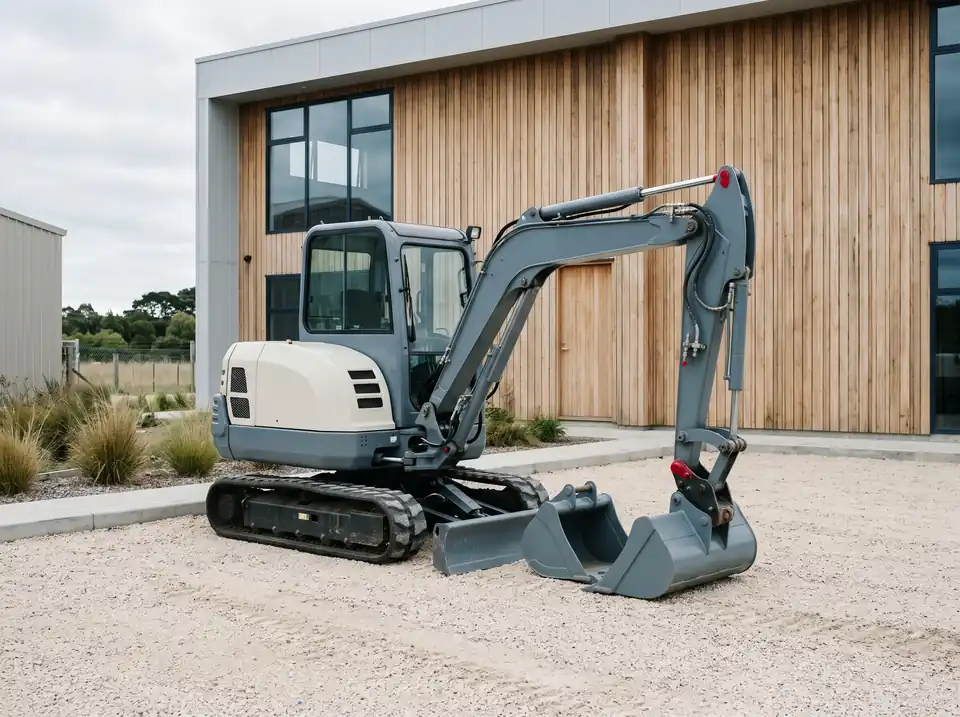
East Africa’s default earth-movers — parts and resale are everywhere.
Compact, fuel-efficient workhorses for Kenyan farms.
Warehouse and port handling staples.
Road and construction demand across the region.
Find matching listings on the marketplace and contact verified sellers for pricing, photos, and inspection reports — no on-site checkout, wholesale "contact for pricing".
Our team inspects the item in Japan, verifies condition and documentation, and confirms the final landed-cost estimate for your country.
We prepare the export certificate, invoice, bill of lading, and any destination-specific paperwork required for clearance.
RoRo or container shipping from the nearest Japanese port to your destination port, with tracking the whole way.
We hand off to your customs broker with a complete document pack, and coordinate final delivery or collection.
Tell us the models, quantities and budget. Our team in Tokyo finds and checks the right Japanese seller, and can handle inspection and export to Kenya. Free, no account needed.
Versatile compact tractor for agricultural and grounds work. Serviced for export.
Compact tracked excavator suited to site and utility work. Inspected and export-ready.
Rice/grain combine harvester maintained to Japanese standards. Available for export.
Compact wheel loader for material handling and loading. Ready for global shipping.
Popular counterbalance forklift known for durability. Export documentation supported.
Warehouse forklift with dependable lift capacity. Inspected before export.
The 8-year passenger-vehicle limit does not apply to construction and agricultural machinery in the same way — but all imports still require PVOC/KEBS inspection for conformity before shipping.
Komatsu and Hitachi for excavators, Kubota and Yanmar for tractors, and Toyota/TCM/Komatsu for forklifts. They’re chosen because spare parts and resale value are strongest across East Africa.
Self-propelled equipment often ships RoRo; attachments and smaller units go in containers or on flat racks. We advise the most economical method per machine and consolidate where possible.
Yes — Mombasa is the East-Africa gateway. We arrange transit documentation and bonds for equipment destined for Uganda, Tanzania, Rwanda, South Sudan, and the DRC.
Send a free sourcing request: we find verified sellers, and quality inspection and managed export are available.